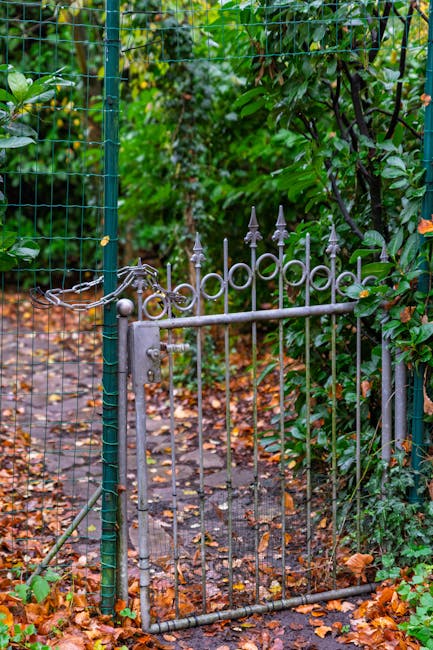
Gardeners in Becontree Heath access issues for narrow garden gates
If you have ever looked at a slim side passage, a tight back gate, or a garden entrance that barely swings open, you will know the feeling: how on earth is a gardener meant to get in, let alone move tools, plants, waste bags, or a mower? That is exactly where Gardeners in Becontree Heath access issues for narrow garden gates becomes more than a search phrase. It is a very real, everyday problem for homes with compact layouts, older fencing, terraced access, or those awkward little turns that seem to shrink when you are carrying something heavy.
The good news is that narrow access does not automatically mean difficult access. With the right planning, equipment choices, and a bit of flexibility, most garden jobs can still be completed neatly and safely. In this guide, we will break down what narrow gate access actually changes, how gardeners work around it, what to expect before booking, and how to avoid the sort of headaches that turn a straightforward tidy-up into a small saga. To be fair, garden access is one of those details people only think about once the van is already outside.
Table of Contents
- Why Gardeners in Becontree Heath access issues for narrow garden gates Matters
- How Gardeners in Becontree Heath access issues for narrow garden gates Works
- Key Benefits and Practical Advantages
- Who This Is For and When It Makes Sense
- Step-by-Step Guidance
- Expert Tips for Better Results
- Common Mistakes to Avoid
- Tools, Resources and Recommendations
- Law, Compliance, Standards, or Best Practice
- Options, Methods, or Comparison Table
- Case Study or Real-World Example
- Practical Checklist
- Conclusion
- Frequently Asked Questions
Why Gardeners in Becontree Heath access issues for narrow garden gates Matters
Garden access affects everything. It changes how quickly a team can start, what tools they can bring, how much manual carrying is required, and sometimes whether certain tasks are sensible at all. If a gate is only just wide enough for one person to squeeze through, then larger equipment may need to stay outside the property. That can add time, increase labour, and influence the method used for the job.
In Becontree Heath, where many homes have compact plots, narrow side returns, or older boundary layouts, this matters even more. A gardener who turns up expecting easy access and finds a gate that will not properly open can lose momentum before the first cut is made. Worse, hurried handling can damage gate posts, flowerbeds, paving, or the tools themselves. Nobody wants a pristine lawn mower scuffed on a latch that sticks halfway shut. It sounds minor, but these details are the difference between a smooth service and a frustrating one.
It also matters from a customer experience point of view. When you book a service such as garden maintenance, lawn care, or garden clearance, you want the visit to be efficient and calm, not a scramble to rethink the plan on arrival. A little access planning upfront usually saves a lot of stress later. Simple as that.
Expert summary: narrow gate access is not just a logistics issue; it affects safety, pricing, labour time, equipment choice, waste removal, and the overall quality of the finish. The earlier it is discussed, the better the result.
How Gardeners in Becontree Heath access issues for narrow garden gates Works
The practical side of working through a narrow gate usually starts before anyone arrives. A good gardener will want to know the approximate width of the gate, whether it opens fully, if there are steps or a steep drop just beyond it, and whether side access is shared with neighbours. A short photo is often enough. Sometimes a quick video helps too, especially where the route bends or there is a tight turn into the rear garden.
From there, the approach tends to fall into one of three patterns. First, the team may use compact tools and carry-in equipment that can pass through the gate with minimal fuss. Second, they may split the work into smaller stages, bringing materials in separately rather than all at once. Third, if access is extremely limited, they may agree a modified plan where some items are cut down, removed in sections, or handled from inside the garden after entry through a side route.
For example, hedge trimming on a narrow-access property may involve lightweight step tools, hand tools, and careful bagging of clippings on site. A larger pruning job, on the other hand, may need more planning so branches can be processed into manageable pieces. The same is true for tree work or bulky clearance. It is not fancy. It is just sensible working practice.
Many homeowners assume access only matters for machinery, but hand-carried waste is a big part of the picture. Even a modest-looking job can generate a surprising amount of material. When the gate is tight, every bag, bucket, and bundle has to be thought through. That is why services such as hedge trimming, tree surgery, and tree lopping and removal may need more detailed access notes than a simple front-garden tidy.
Key Benefits and Practical Advantages
Handled properly, narrow gate access does not have to be a barrier at all. In fact, planning for it well can make the service more efficient and more tailored to your garden. Here are the main advantages.
- Less damage risk: careful planning reduces the chance of scraped gate paint, broken hinges, crushed planting, or knocked paving.
- Smoother scheduling: the gardener can arrive with the right tools, saving time on the day.
- Better labour efficiency: the team can budget effort properly instead of improvising halfway through.
- Improved safety: smaller kit and a clear access route lower the chance of trips, strains, or awkward lifting.
- More accurate quotes: once access is understood, pricing is usually more realistic and transparent.
- Cleaner finish: a job planned around tight access often leaves less mess behind because waste handling is considered in advance.
There is also a quiet benefit that people do not always mention: confidence. When you know the gardener understands the access limitations, you can relax a bit. You are not waiting for the moment someone says, "Erm, this mower is not going through there." That awkward moment is avoidable, thankfully.
For households combining regular upkeep with occasional one-off jobs, narrow access planning makes it easier to mix services sensibly. A property might need periodic lawn mowing, seasonal hedge trimming, and occasional patio cleaning. Each task has its own access demands, but one thoughtful setup can support them all.
Who This Is For and When It Makes Sense
This kind of planning is relevant to more people than you might think. It is not just for tiny terraced gardens. Any property with a narrow side gate, awkward path, shared alleyway, or a boundary that was designed for people rather than equipment can benefit from it.
It usually makes sense if you:
- have a gate that is too narrow for standard garden machinery
- live in a terrace, converted property, or compact urban plot
- have a side entrance with a sharp turn
- need regular visits and want to avoid repeated access problems
- are booking clearance, pruning, or larger landscaping work
- want to protect delicate fencing, sleepers, or decorative edging
It also makes sense if the garden itself is straightforward but the route in is not. That is the bit people miss. A neat, simple garden can still be tricky if the access path is tight, muddy, or cluttered with bins and storage. In our experience, a few spare minutes spent on access questions can save a full half hour of awkward lifting later.
If you are considering more structural improvements at the same time, access matters even more. Jobs involving landscaping, landscape gardening, or decking services often involve bulkier materials, so the delivery and movement plan needs a bit of thought. Nothing dramatic. Just proper planning.
Step-by-Step Guidance
If you are preparing for a visit and the garden gate is narrow, this is the most reliable way to handle it.
- Measure the gate opening. Measure the usable width, not just the frame. A gate that opens against a wall or bush may be effectively narrower than it looks.
- Check the route beyond the gate. Is there a bend, step, slope, or low overhang? A straight gate can still lead into a difficult access route.
- Take a couple of clear photos. One from outside, one from inside, and one showing the full route if possible. That is often enough for practical planning.
- List the job type clearly. Lawn mowing, hedge cutting, clearance, pruning, or full garden tidy-up each create different access needs.
- Ask how the work will be carried out. Will the team use hand tools, compact equipment, or a sectional approach?
- Discuss waste removal early. Clippings and branches are often the awkward bit, not the cutting itself.
- Agree any protection measures. If the gate is delicate or the route is tight, cover vulnerable surfaces or move items out of the way before the visit.
- Confirm arrival notes. Gate code, side access, parking restrictions, and neighbour sharing issues should all be made clear.
A small example: if a gardener is coming to cut back an overgrown hedge and the only access is a narrow side gate, the work may still go smoothly if the clippings can be bagged in stages and carried out repeatedly rather than piled high in one go. It sounds obvious once you say it, but it makes a big difference on the day.
When the work is more involved, like a full tidy-up after months of growth, see whether garden clearance can be done in phases. Sometimes the best answer is not one massive sweep; it is a careful sequence. Bit by bit. Less drama.
Expert Tips for Better Results
There are a few little things that make tight-access jobs much easier. They are not complicated, which is exactly why people often overlook them.
- Leave the access route clear the night before. Bins, plant pots, children's bikes, and storage boxes have a habit of gathering right where you need them.
- Unlock and test the gate fully. A gate that only opens halfway can be more troublesome than one that is narrow but stable.
- Think about ground conditions. Wet grass, loose gravel, and muddy side paths all make carrying tools and waste harder.
- Use smaller sacks or bundles. Big loads are not always efficient if the route is tight.
- Prioritise hand tools for detail work. They may take a little longer, but they often fit the job better.
- Plan for where waste will be stacked temporarily. You do not want clipping bags blocking the only exit. Been there, seen that, not ideal.
- Let the gardener know about anything fragile. Trellis, decorative stones, low lights, and young shrubs are easy to miss in a rushed handover.
Another useful tip: if the work includes recurring visits, keep the access notes on file and update them whenever something changes. A newly fitted latch, a storage shed, or a wider bin storage area can change the whole route. It is one of those small admin jobs that pays off more than expected.
For services that rely on repeated site visits, such as garden maintenance or lawn care, consistent access information is a real time-saver. It keeps the work calm and predictable, which is what most people want in the first place.
Common Mistakes to Avoid
Most access problems come from assumptions. Honestly, that is the root of half the avoidable gardening headaches.
- Assuming "narrow" means manageable. A gate may be physically narrow but still unsuitable for certain tools, barrows, or waste sacks.
- Forgetting the turning space. You may get through the gate but not be able to turn once inside.
- Not mentioning steps or thresholds. One or two steps can completely change how materials are moved.
- Leaving the route cluttered. Even tidy-looking side passages can be blocked by little things that matter when carrying equipment.
- Booking large-scale work without access checks. Jobs like pruning, clearance, or new layout work need more detail than a simple mow.
- Ignoring disposal logistics. If waste cannot come out easily, the job may take longer than expected.
A common one is asking for a service and only mentioning access once the team arrives. It happens all the time, and it is rarely anyone's fault, but it does slow everything down. The fix is easy enough: say it early, even if you think it is "probably fine." Probably fine is not a plan.
Another mistake is assuming the narrow gate issue can be solved by forcing standard equipment through anyway. That is how damage happens. Better to switch to a different method than to wrestle a tool through a space it clearly does not fit.
Tools, Resources and Recommendations
You do not need specialist equipment at home to prepare well, but a few simple tools help when planning a job with limited access.
- Tape measure: useful for gate width, path width, and awkward corners.
- Phone camera: a quick photo often tells the story better than a long message.
- Pad and pen or notes app: handy for jotting down access details, gate codes, and parking information.
- Sturdy gloves: useful if you are clearing a little space before the visit.
- Bin liners or garden sacks: if you are pre-collecting light debris, use manageable bags rather than overfilling them.
- Temporary surface protection: old boards or protective sheets can help in some cases, especially on delicate paving or decking edges.
For service planning and reassurance, pages such as pricing and quotes and insurance and safety are worth reviewing because access complexity can affect both cost and method. If your concern is broader service quality or company background, the about us page is a good place to understand the team's approach. Small thing, but it helps.
And if you want to know how a company handles broader standards, their health and safety policy and accessibility statement can give you a sense of how carefully they think about access and inclusion. That matters more than people realise.
Law, Compliance, Standards, or Best Practice
For domestic gardening work, the main issue is usually not a single legal threshold for gate width. It is the practical duty to carry out work safely, avoid avoidable damage, and communicate clearly. In the UK, good practice means a service should not push equipment through an access route if doing so increases the risk of harm or property damage.
Where a job involves powered tools, lifting heavy waste, or working near shared paths, safe manual handling and sensible site planning are the real priorities. If access is limited, the work method should change to suit the site. That is just sensible professional practice. It is also the sort of thing customers should expect without having to ask twice.
Insurance and safety are important here too. If a gardener is carrying tools through a narrow gate, they need to think about pinch points, trip hazards, and surface protection. Likewise, if a customer has fragile fencing or recently installed paving, that should be mentioned early. Better safe than sorry, as people say for good reason.
There is also a best-practice angle around fairness and transparency. If access limits the scope of work, the quote should reflect the real method rather than a generic one-size-fits-all estimate. That is one reason many people like to check terms and conditions and payment and security details before confirming a booking. No one enjoys surprises on the invoice. Not even the gardeners.
Options, Methods, or Comparison Table
Different access situations call for different approaches. Here is a simple comparison of common methods used when a narrow gate is the main challenge.
| Method | Best for | Pros | Trade-offs |
|---|---|---|---|
| Compact hand tools | Routine maintenance, edging, pruning, light clear-ups | Fits narrow routes easily, low risk of damage, flexible | Slower than large machinery for bigger jobs |
| Sectional working | Hedges, shrubs, and clearance jobs with limited access | Breaks the task into manageable pieces, easier waste handling | Can take longer to complete |
| External staging | Jobs where materials are brought in gradually | Reduces clutter and improves control | Needs careful organisation and space outside the gate |
| Modified equipment choice | Properties with tight side access but adequate internal space | Balances efficiency with safety | May still require manual finishing |
| Access-first planning | Any service where the route is awkward or shared | Fewer surprises, more accurate quote, better customer experience | Requires more upfront communication |
If you are unsure which method applies, ask the gardener what they would typically do for a property like yours. That question alone can save a lot of guesswork.
Case Study or Real-World Example
A homeowner in Becontree Heath had a tidy rear garden that needed seasonal attention after a burst of spring growth. The gate at the side passage was narrow, and the path beyond turned sharply near the bin store. On paper, it sounded straightforward. In practice, the route made a normal mower awkward to use, and bulky clippings would have been clumsy to carry in one go.
Instead of forcing a standard setup, the work was planned around the access. Smaller hand tools were used for the more detailed areas, the hedge was cut in manageable sections, and waste was bagged progressively rather than piled up. The route stayed clearer, the job moved steadily, and there was no damage to the gate or the planting near the entrance. No drama. Just a well-run visit.
What mattered most was not the size of the garden itself, but the quality of the planning before the visit. That is the pattern with tight access jobs almost every time. Once the access is understood, the work becomes much easier to predict. And that calm, orderly feeling? Worth a lot.
Practical Checklist
Use this checklist before a gardener visits a property with a narrow gate.
- Measure the gate opening and note whether it opens fully
- Check for steps, slopes, bends, or low overhangs
- Clear the route of bins, bikes, pots, and clutter
- Take clear photos of the access path
- Describe the job in plain language and mention bulky waste if relevant
- Ask how tools and waste will be moved in and out
- Confirm parking, entry, and gate-latch details
- Point out delicate fencing, paving, or new landscaping
- Agree any temporary protection if needed
- Keep the access notes updated for future visits
If you tick off just those items, you are already ahead of most people. Honestly.
Conclusion
Narrow garden gates do not have to be a deal-breaker. They simply mean the work needs to be approached with more care, better communication, and the right equipment choices. For homeowners in Becontree Heath, that can make the difference between a rushed, awkward job and a tidy, efficient service that feels properly under control.
The main idea is simple: talk about access early, describe the route clearly, and choose a method that suits the property rather than fighting against it. That is how you protect your garden, save time, and get better value from the visit. It is not complicated, but it is very effective.
Get a free quote today and see how much you can save.
If you are planning a visit soon, a short conversation now can spare you a long headache later. And that, really, is the whole point of good gardening support.
Frequently Asked Questions
Can gardeners work through a very narrow garden gate?
Yes, often they can. It depends on the width of the gate, the route beyond it, and the type of job. Routine maintenance is usually easier than large clearance or bulky pruning work.
What should I tell a gardener before they visit?
Share the gate width, whether it opens fully, any steps or sharp turns, and whether there is enough room to carry tools or waste through safely. Photos help a lot too.
Do narrow gates make gardening more expensive?
They can, because access may increase labour time or require smaller tools and more manual handling. The exact effect depends on the job and how tight the access is.
Can a lawn mower fit through a narrow side gate?
Sometimes, but not always. It depends on the mower size and the gate opening. In some cases, smaller equipment or hand finishing is a better choice.
What if the garden is easy to work in but the access is difficult?
That is very common. The access route often matters more than the garden itself. A well-planned route can make the job straightforward even when the gate is tight.
Should I clear the path before the gardener arrives?
Yes, if you can. Removing bins, bikes, pots, and loose items makes the visit smoother and helps prevent accidents or delays.
How do gardeners remove waste through a narrow gate?
Usually in smaller bags, bundles, or staged loads. For larger jobs, waste may be processed in sections so it can be carried out safely and efficiently.
Is it better to measure the gate or send photos?
Both is best. A measurement gives the practical size, and photos show the route, bends, surface condition, and any obstacles that numbers alone will miss.
What kinds of jobs are hardest with narrow access?
Tree removal, heavy clearance, large landscaping work, and bulky hedge cutting can be more demanding. Smaller maintenance jobs are usually simpler.
Can narrow access affect the quality of the final finish?
It should not, if the work is planned properly. In fact, careful access planning often improves the finish because the team can work without rushing or forcing equipment through.
Should I mention shared access with neighbours?
Absolutely. Shared alleys, side passages, and neighbour access points can affect scheduling, safety, and how the team moves materials.
What if my gate is old or fragile?
Say so at the start. A careful gardener may use extra protection, lighter tools, or a different route to avoid stressing the gate or hinges.
How can I prepare for a first visit?
Measure, photograph, clear the route, and explain the job clearly. If you want more context on how the company works, the about us page is a good starting point, and contact us is the natural next step when you are ready to talk through the details.
Sometimes the smallest bit of preparation makes the biggest difference. That is especially true with narrow gates. Handle that part well, and the rest tends to fall into place.